
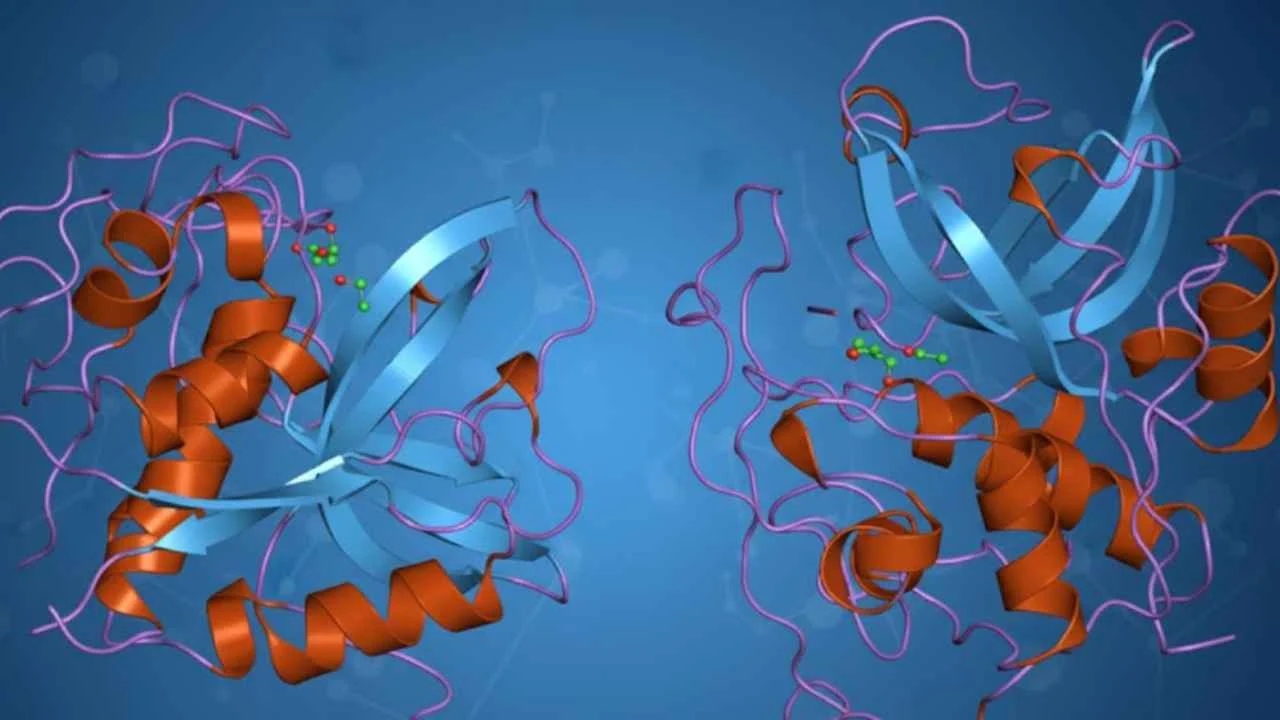
Cathepsin B (CTSB) is a type of enzyme called a lysosomal cysteine protease. It is involved in breaking down proteins and organelles within lysosomes.
The enzyme Cathepsin B (CTSB) is involved in studying:
- Alzheimer
- Parkinson
- Other neurological diseases
It is now recognized as a powerful regulator of cell death, inflammation, and plaque formation.
In research, scientists often use the Recombinant Cathepsin B protein to better understand its functions and behavior in conditions.
The understanding of of these enzymes has helped in opening new paths to slow memory loss, protect brain cells, and even reverse cognitive decline.
Here, we will dive more into how CTSB influences brain health and its dual role in neurodegeneration.
1. Mechanistic Role in Neurodegeneration
Cathepsin B plays various roles in neurodegeneration:
Promotes Neurotoxicity
CTSB is involved in the production of highly neurotoxic forms of amyloid-beta peptide. The inhibition of CTSB has been shown to reduce neuronal death in Alzheimer’s disease models.
Drives Inflammation
It is linked to the production of pro-inflammatory cytokines such as interleukin-1β, which contributes to inflammatory brain diseases. It happens because cathepsin B can escape from lysosomes and damage the cell’s energy source and other parts.
Exacerbates Aβ Toxicity
Recent studies have shown that CTSB promotes the toxicity of amyloid-beta (Aβ) by modulating aging pathways. However, it can have different effects on other types of toxic proteins.
Induces Behavioral Deficits
Inhibition of CTSB leads to improvements in cognitive and behavioral deficits in both Alzheimer’s disease and traumatic brain injury models.
Disrupts Cellular Homeostasis
When CTSB escapes from lysosomes, it can damage the cell and help cause brain diseases that make people lose their memory and motor skills.
2. The Dual and Contradictory Impact of CTSB
CTSB shows a dual and contradictory impact on biological processes. Sometimes it helps protect neurons, and other times it leads to their destruction.
Cathepsin B leads to different outcomes across multiple diseases due to its:
- Cellular location
- Local pH
- Presence of inhibitors
The Dual Nature of CTSB
In the Lysosome (Normal Situation)
Good role: CTSB helps break down and recycle old proteins. It also plays an important role in the immune system by helping process proteins that fight infections.
Outside the Cell (Pathological Conditions)
Bad role: In diseases like cancer and inflammation, CTSB can leak out of the lysosome and enter the area around the cells. This results in breaking down tissues and causing inflammation, which damages the body.
Inside the Cytosol (if Lysosomes get Damaged)
Very bad role: CTSB can enter the main part of the cell if the lysosome breaks open. It can trigger cell death by activating different death pathways, like apoptosis (programmed cell death). This causes damage in diseases like Alzheimer’s or neurodegenerative disorders.
3. CTSB as a Therapeutic Target
CTSB has emerged as a potential target for therapeutic interventions:
Cancer Therapy
Tumor Progression
CTSB is overexpressed in many cancers and aids in:
- Tumor invasion
- Metastasis
- Angiogenesis
Prodrug Activation
Researchers are developing prodrugs that are activated by CTSB to ensure the drug release specifically at tumor sites.
Repurposed Drugs
Existing medications, like Lurasidone and Paliperidone, have shown potential as CTSB inhibitors.
Neurodegenerative Diseases
Alzheimer’s Disease
CTSB is implicated in the processing of amyloid precursor proteins. It leads to amyloid-beta aggregation. Inhibition of CTSB may reduce plaque formation and associated neurotoxicity.
Traumatic Brain Injury
Elevated CTSB levels post-injury can exacerbate neuronal damage. Targeting CTSB could mitigate secondary brain injury effects.
Inflammatory and Autoimmune Disorders
- Inflammation: CTSB leads to the activation of inflammasomes and the release of pro-inflammatory cytokines. This promotes conditions like atherosclerosis and chronic obstructive pulmonary disease (COPD).
- Therapeutic Modulation: CTSB can also act as a negative regulator of inflammation. Its inhibition might be beneficial in chronic inflammatory diseases.
4. Research Frontiers
Recent advances highlight CTSB as a compelling target in cancer therapy.
Phytochemical Inhibitors
Phytochemical inhibitors have shown promise as CTSB inhibitors. Some of the inhibitors are:
- Isoquercetin
- Kaempferol
- Caffeic acid
Researchers have identified these through advanced methods like structure-based virtual screening and molecular docking.
These compounds have strong binding affinity and stability, which makes them strong candidates for future drug development.
Repurposing FDA-Approved Drugs
Scientists are looking at existing FDA-approved drugs to see if they can also block CTSB.
This approach can accelerate the adoption of these treatments in clinical practice.
CTSB-Responsive Prodrugs
Researchers are developing prodrugs that are activated specifically by CTSB.
These “smart” drugs are only activated in areas where CTSB is overactive. This allows for targeted drug activation and helps reduce harmful side effects on healthy tissue.
Nanoparticle-Based Drug Delivery
Nanoparticles can be used to deliver drugs directly to cancer cells. These nanoparticles are designed to release therapeutic agents in response to CTSB. This enhances drug specificity and reduces the chance of off-target toxicity.
Conclusion
Cathepsin B (CTSB) plays a central and complex role in neurodegenerative disease research.
It contributes to:
- Neuronal death
- Inflammation
- Amyloid plaque processing
- Cognitive decline
At the same time, it also helps clear toxic proteins, offering possible protective effects.
Because of this dual nature, CTSB is both a promising therapeutic target and a valuable biomarker.
Future research must carefully balance its inhibition or activation to develop effective and safe treatments for diseases like Alzheimer’s and Parkinson’s.
Author




Leave a Reply