
Paralysis in dogs is a distressing condition that can suddenly impact a pet’s mobility and quality of life. As we move into 2026, advancements in veterinary medicine and technology are transforming how we understand and manage this complex issue. This article explores the latest trends in diagnosing and treating paralysis in dogs, offering pet owners a comprehensive guide to navigating this challenging experience.
In recent years, veterinary professionals have gained deeper insights into the symptoms of paralysis in dogs. Early detection plays a crucial role in managing the condition effectively. Common signs include sudden difficulty in walking, dragging of the limbs, and a noticeable change in posture. Recognizing these symptoms promptly can lead to more successful treatment outcomes.
Causes of Paralysis in Dogs
Understanding what can cause paralysis in dogs is essential for prevention and treatment. Paralysis may arise from a variety of sources, each necessitating different approaches to care. Here are some of the primary causes:
- Intervertebral Disc Disease (IVDD): This condition occurs when the cushioning discs between the vertebrae of the spinal column bulge or burst, pressing on nerves.
- Trauma: Injuries from accidents or falls can damage the spinal cord or nerves, leading to paralysis.
- Infections and Inflammatory Diseases: Conditions like meningitis or distemper can inflame the spinal cord and nerves.
- Tumors: Cancerous growths can compress nerves or the spinal cord, affecting mobility.
- Genetic Factors: Certain breeds are predisposed to paralysis due to genetic conditions affecting nerve or muscle function.
Advances in Diagnosis
As we delve into 2026, the methods for diagnosing paralysis in dogs have evolved significantly. Veterinarians now employ cutting-edge technologies that enhance diagnostic accuracy and speed. Here are some of the advancements:
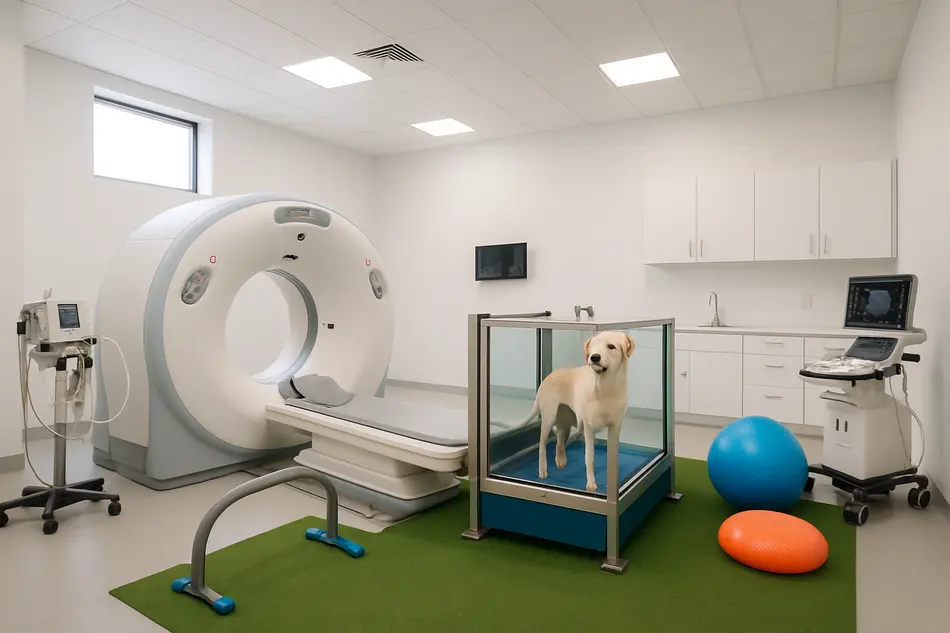
- MRI and CT Scans: These imaging techniques offer detailed views of the spinal cord and surrounding tissues, helping identify the exact location and cause of paralysis.
- Genetic Testing: For breeds with known genetic predispositions, testing can predict the likelihood of developing paralysis, allowing for preemptive care strategies.
- Neurological Assessments: Comprehensive exams that evaluate reflexes, nerve function, and muscle response are now more precise, assisting in early detection.
Treatment Innovations
The treatment landscape for dog paralysis has also seen significant improvements. Innovative therapies and surgical techniques are providing new hope for affected pets:
- Surgical Interventions: Advanced surgical methods can relieve pressure on the spinal cord, remove tumors, or repair damaged discs.
- Physical Therapy: Rehabilitation programs tailored to individual needs can improve strength and mobility, often incorporating hydrotherapy and treadmill exercises.
- Medication: Anti-inflammatory drugs, pain relievers, and muscle relaxants help manage symptoms and improve quality of life.
- Stem Cell Therapy: Emerging as a promising option, stem cell therapy may regenerate damaged nerve tissues, potentially reversing some forms of paralysis.
Preventative Measures
While paralysis can be sudden and unexpected, certain preventative measures can mitigate the risk:
- Regular Veterinary Check-Ups: Routine visits can catch early signs of problems and allow for timely intervention.
- Weight Management: Maintaining a healthy weight reduces stress on the spine and joints, preventing conditions like IVDD.
- Safe Living Environment: Minimizing opportunities for trauma by securing the home and yard helps prevent accidents.
Real-World Impacts
Statistics indicate that approximately 2% of dogs experience some form of paralysis during their lifetime. While this figure might seem small, the impact on affected pets and their owners is substantial. Emotional and financial challenges often accompany the need for specialized care.
An expert from the American Veterinary Medical Association notes that early intervention is key. “The sooner we can diagnose and begin treatment, the better the prognosis for recovery,” says Dr. Emily Carver, a leading veterinary neurologist.
Conclusion
In 2026, the approach to managing dog paralysis is more advanced than ever. With continual improvements in diagnostic methods and treatment options, pet owners have a stronger support system to rely on. Understanding what can cause paralysis in dogs and recognizing early symptoms are crucial steps in ensuring the best possible outcomes for our furry companions. As we look to the future, ongoing research and technological advancements promise even greater strides in veterinary care, offering hope and improved quality of life for dogs facing paralysis.
Author


Leave a Reply