
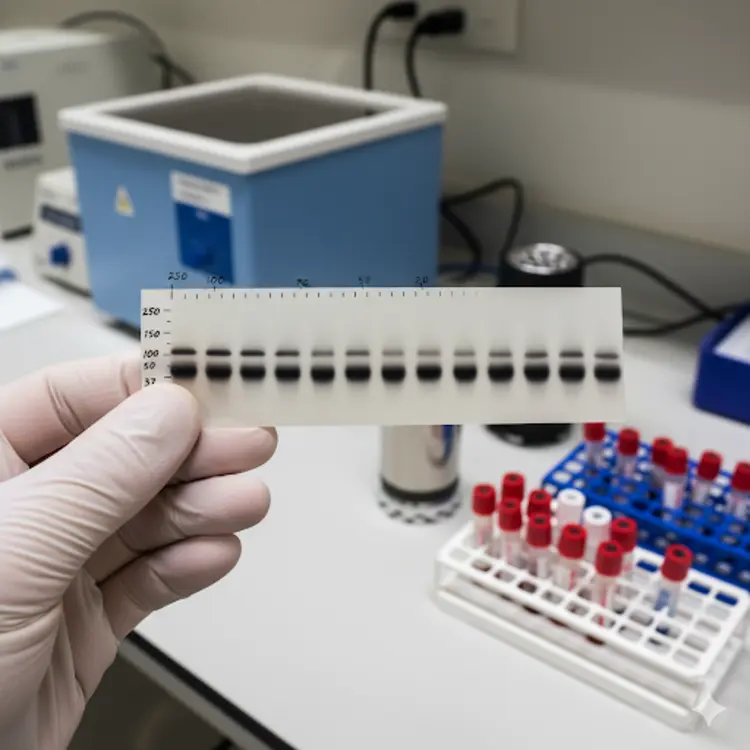
Cells never stop responding to their environment. When life happens—stress, growth, communication, repair—proteins inside the cell turn switches on and off. One of the most important switches is phosphorylation. It adds a phosphate group to a protein and changes how that protein behaves. When phosphorylation happens, the message inside the cell has begun.
To study these tiny shifts, researchers depend on phospho protein detection antibodies. They reveal the exact moment proteins become active. Without them, the timing and meaning of signals would be easy to miss.
Why Phosphorylation Matters in Cell Signaling
Cells communicate through pathways. In each pathway, proteins wait to be activated. Phosphorylation gives the signal.
This process helps control:
- Cell cycle progression
- Repair mechanisms
- Inflammation response
- Gene expression changes
- Stress adaptation
A small chemical addition changes the entire direction of a cell’s behavior. If phosphorylation becomes too strong or too weak, pathways fall out of balance. That imbalance can contribute to cancer, neurological disorders, and chronic diseases.
To understand why cells choose one path over another, researchers need to see when phosphorylation takes place.
What Phospho Protein Detection Antibodies Do
These antibodies attach only to the phosphorylated version of a protein. They leave inactive proteins alone. This sharp focus reveals exactly when a protein is participating in a signal.
Advantages include:
- Accurate tracking of activation state
- Strong contrast between on and off signals
- Ability to follow time-based changes
- Support for early detection of misregulated pathways
They turn invisible molecular events into measurable information.
Without this technology, researchers would only know whether a protein exists, not whether it is doing any work. Among tools, the Rabbit c-Jun Monoclonal Antibody plays a key role. It focuses on c-Jun, a protein involved in stress response, cell growth, and survival. When c-Jun becomes phosphorylated, cells are reacting to something important. Being able to detect that activation helps science understand what drives healthy function, and what may lead to disease.
Understanding c-Jun and Its Place in Cell Pathways
c-Jun is part of a transcription factor complex called AP-1. It controls how genes respond to stress and environmental cues. When something in the cell changes—oxidative stress, DNA damage, inflammation—c-Jun may activate.
Phosphorylation tells c-Jun to start influencing gene expression. That moment matters.
c-Jun activity is linked to:
- Tissue repair and wound healing
- Immune defense
- Neuronal plasticity
- Cell proliferation
- Cancer development when pathways are dysregulated
The Role of Rabbit c-Jun Monoclonal Antibody
Monoclonal antibodies offer consistent detection. They recognize a single, well-defined epitope. When designed specifically for the phosphorylated site of c-Jun, they become a precise tool for signaling research.
This focus supports:
- Clean identification of activated c-Jun
- High specificity that reduces background noise
- Reliable comparison between healthy and altered samples
- Clear visualization in different experiment methods
The rabbit immune system naturally generates strong antibody responses against subtle targets. That makes rabbit monoclonal formats especially powerful for phospho-specific detection.
What Researchers Can Learn from c-Jun Activation
When phosphorylation changes, something inside the cell has shifted. By following c-Jun activity, scientists can map those shifts and connect them to cause and effect.
Phospho detection helps show:
- Which signals triggered c-Jun
- How long activation lasts
- Where in tissues activation occurs
- How different treatments modify stress response
- Early indications of harmful pathway regulation
Applications in Modern Research
Phospho protein detection antibodies, including tools for c-Jun, appear in many types of experiments:
- Western blotting
- Immunohistochemistry
- Immunofluorescence imaging
- Pathway analysis
- Drug mechanism studies
These methods help scientists measure changes in real time or visualize patterns inside cells and tissues. Both perspectives are valuable. Together, they strengthen conclusions and remove guesswork.
Final Thoughts
Cells speak through signals. Phosphorylation is one of their clearest languages. Phospho protein detection antibodies translate that language into action-ready data.
The Rabbit c-Jun Monoclonal Antibody highlights one important voice in the cell’s signaling network. It pinpoints when c-Jun becomes active and how cells respond to stress, growth, or change. By watching this activation closely, science gains a clearer understanding of how health is protected and how disease begins.
Better insight into signaling means stronger foundations for future progress.
Author




Leave a Reply