
Epilepsy is a chronic neurological disorder that leads to recurrent and unprovoked seizures. A seizure occurs when there is a sudden surge of electrical activity in the brain. This can further temporarily disrupt movement, sensation, behavior, or consciousness. People of all ages can be affected by epilepsy. Its severity can vary from mild lapses in attention to severe convulsions.
The primary causes of epilepsy are:
- Genetic factors
- Brain injuries
- Infections
- Development disorders
In many cases, the exact cause of epilepsy can’t be determined, especially in adults.
During a seizure, neurons fire excessively and synchronously. This leads to uncontrolled brain signals. As a result, it increases the excitatory neurotransmitters and decreases the inhibitory ones.
These neurotransmitters are crucial for the proper functioning of the brain. They help regulate the balance between excitation and inhibition in the brain, which often gets disrupted during epilepsy. One common neurotransmitter that helps maintain this balance is calretinin (CALB2).
What is CALB2?
CALB2 is a calcium-binding protein that belongs to the EF-hand family. It is widely expressed in specific types of neurons, especially inhibitory interneurons. These neurons help maintain the balance between excitation and inhibition in the brain.
In epilepsy, this balance is disturbed. Excitatory neurons often dominate, which leads to overactive signaling and seizures. Calretinin helps buffer calcium levels inside neurons and prevent excessive neuronal firing.
When CALB2 levels are altered, the ability of inhibitory neurons to regulate excitatory activity becomes compromised, which may contribute to the development of seizures.
Since seizures involve uncontrolled electrical activity and abnormal calcium signaling, researchers study CALB2 expression patterns to understand how epilepsy develops and progresses. Here is where the CALB2 polyclonal antibody comes into play.
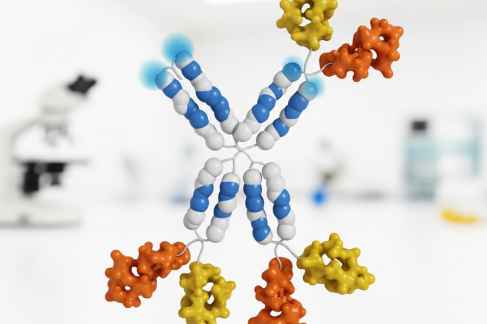
A CALB2 polyclonal antibody is a laboratory tool designed to bind specifically to calretinin proteins. It helps detect where and how much calretinin is expressed in brain samples.
Role of CALB2 Polyclonal Antibody in Epilepsy Research
Map CALB2-Positive Neurons in the Brain
The CALB2 polyclonal antibody helps researchers identify neurons that express calretinin. Scientists use techniques such as IHC or immunofluorescence to visualize CALB2 distribution in specific brain regions, including the hippocampus and cortex, which are often implicated in epilepsy.
Findings from such studies have shown that CALB2-positive interneurons help control excitatory signals. A loss or dysfunction of these interneurons may lead to hyperexcitability, a hallmark of epilepsy.
Study Neuronal Circuitry Alterations
Epileptic seizures often result from disrupted neuronal networks. Researchers use the CALB2 polyclonal antibody staining technique to track changes in interneuron populations and connectivity in animal models of epilepsy.
For example, in temporal lobe epilepsy, reduced calretinin-expressing interneurons have been observed. This suggests that CALB2 neurons normally act as a stabilizing force, and their impairment contributes to recurrent seizures.
Monitor Disease Progression
By analyzing CALB2 expression over time, researchers can study how epilepsy progresses from its early stages to chronic forms. In animal models, CALB2 polyclonal antibodies allow comparison between control and epileptic brains, highlighting neuronal changes associated with repeated seizures.
This longitudinal tracking helps determine whether CALB2 alterations are a cause or consequence of epilepsy, guiding therapeutic strategies.
Investigate Neuroprotective Mechanisms
Excess calcium during seizures can damage neurons. Since CALB2 acts as a calcium buffer, antibodies against it help measure whether increased or decreased calretinin expression protects or harms neurons during epileptic activity.
Research using CALB2 polyclonal antibodies suggests that calretinin may offer neuroprotection by reducing calcium-induced cell death. This opens the door to potential therapies aimed at enhancing calretinin function.
Support Drug Discovery and Treatment Studies
Last but not least, CALB2 polyclonal antibodies help test and develop new drugs. These antibodies help determine whether treatments restore normal CALB2 expression or prevent loss of CALB2-positive interneurons. This helps scientists evaluate the drug efficacy at the molecular level.
For example, if a candidate therapy helps maintain calretinin-expressing neurons, it can help control long-term seizures.
The Bottom Line
The CALB2 polyclonal antibody is more than just a laboratory reagent; it helps understand how epilepsy develops and progresses. Visualization, quantification, and tracking of calretinin in neurons enable researchers to identify the delicate balance of excitation and inhibition that governs brain function.
However, when using CALB2 pAbs for your research, make sure you buy them from a reliable source. Otherwise, you may end up having inaccurate results!
Author




Leave a Reply