
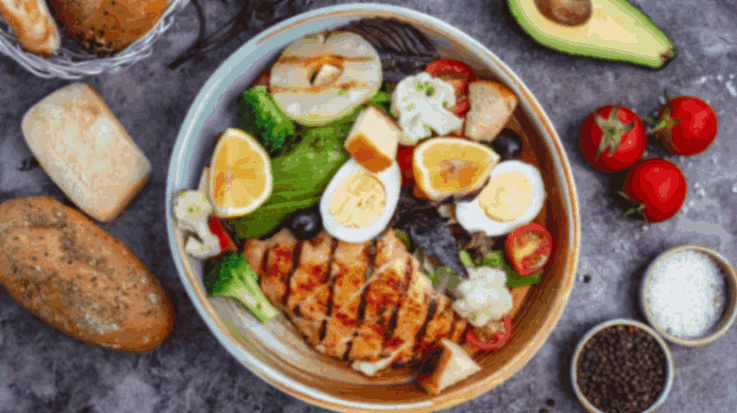
When it comes to choosing a healthy eating plan, the options can feel overwhelming. Among the most popular and well-researched diets are the Paleo and the Mediterranean diet, both praised for their focus on whole, natural foods and health benefits.
While they share similarities, the Paleo diet vs Mediterranean diet differs in many important ways—from the types of foods they emphasize to their nutritional philosophies and long-term sustainability.
Understanding these key differences can help you decide which approach aligns best with your lifestyle, health goals, and personal preferences, ensuring you make an informed choice for lasting wellness.
What is the Paleo Diet?
The Paleo diet draws inspiration from what our hunter-gatherer ancestors ate during the Paleolithic era—thousands of years ago—before agriculture began. It emphasizes consuming natural, unprocessed foods presumed to have been available during that period.
Typical Paleo Foods Include:
- Lean meats (grass-fed beef, poultry, pork, lamb)
- Fish and seafood (especially wild-caught varieties)
- Eggs
- A wide variety of fruits and vegetables
- Nuts and seeds
- Healthy fats such as avocado and olive oil
Foods Excluded in Paleo:
- Grains (wheat, rice, oats, barley)
- Legumes (beans, lentils, peanuts)
- Dairy products
- Refined sugars and processed foods
The main goal is to avoid foods introduced by modern agriculture or food processing, which proponents believe promote inflammation, metabolic disorders, and other health issues.
What is the Mediterranean Diet?
The Mediterranean diet reflects the traditional eating habits of countries bordering the Mediterranean Sea, such as Greece, Italy, and Spain. It’s celebrated worldwide for its heart-healthy benefits and sustainability.
Core Components of the Mediterranean Diet:
- Plenty of fruits, vegetables, whole grains, and legumes
- Healthy fats primarily from olive oil and nuts
- Moderate amounts of fish and seafood
- Poultry, eggs, and dairy (especially yogurt and cheese) in moderation
- Limited red meat
- Occasional wine consumption, especially red wine with meals
This diet encourages enjoying various plant-based foods, balanced with lean proteins and healthy fats, focusing on quality and traditional food preparation methods.
Key Differences Between Paleo and Mediterranean Diets
| Aspect | Paleo Diet | Mediterranean Diet |
| Philosophy | Emulates the ancestral human diet before agriculture | Reflects regional, traditional eating patterns |
| Grains & Legumes | Excluded | Emphasized as key plant-based protein and fiber |
| Dairy | Avoided | Included in moderation, especially fermented forms |
| Allowed Fats | Avocado, nuts, seeds, olive oil | Olive oil is the primary fat, plus nuts and seeds |
| Protein Sources | Emphasizes animal proteins (meat, fish, eggs) | Emphasizes fish, seafood, poultry, less red meat |
| Sugar & Processed Foods | Eliminated | Minimizes processed foods and added sugars |
| Alcohol | Typically excluded or minimal | Moderate consumption of wine allowed |
| Sustainability | Can be more restrictive and costly | Considered flexible and sustainable long-term |
| Carbohydrates | Lower carb, excludes grains and legumes | Moderate carb from whole grains and legumes |
Nutritional Benefits of Each Diet
Paleo Diet Benefits:
- Focus on whole, unprocessed foods supports reduced inflammation and better blood sugar control.
- Higher protein intake may help with satiety and muscle maintenance.
- Emphasis on fruits and vegetables increases antioxidant intake.
- Eliminating processed foods and refined sugars often leads to weight loss.
Mediterranean Diet Benefits:
- Rich in fiber and heart-healthy fats linked to reduced cardiovascular disease risk.
- Whole grains and legumes provide sustained energy and improved gut health.
- Moderate dairy supports bone health.
- Encourages social and cultural eating habits, supporting mental well-being.
Potential Challenges
Paleo Diet Challenges:
- Restrictive nature may lead to nutrient gaps (e.g., calcium from dairy).
- Eliminating entire food groups like grains and legumes can reduce dietary variety.
- May be more expensive due to focus on grass-fed and organic animal products.
- Long-term adherence can be difficult for some.
Mediterranean Diet Challenges:
- Requires cooking and meal preparation skills for traditional dishes.
- May be less familiar or accessible in some regions.
- Wine consumption is not suitable for everyone.
- Portion control is still important to avoid excess calories.
Which Diet is Right for You?
Choosing between Paleo and Mediterranean diets depends on your health goals, lifestyle, and personal preferences.
- If you prefer a high-protein, lower-carb diet emphasizing ancestral eating patterns and avoiding dairy, grains, and legumes, the Paleo diet may appeal to you.
- If you want a flexible, heart-healthy eating pattern rich in plant foods, whole grains, moderate protein, and healthy fats, with cultural richness and easier sustainability, the Mediterranean diet might be a better fit.
- For people with specific health conditions such as diabetes, cardiovascular disease, or autoimmune disorders, consulting a healthcare professional or dietitian can help tailor these diets to your needs.
- Many find that combining aspects of both diets—such as focusing on whole, minimally processed foods with plenty of vegetables and lean proteins—can also provide health benefits without extreme restrictions.
Conclusion
Both the Paleo and Mediterranean diets emphasize whole, natural foods and minimize processed ingredients, but their food choices, flexibility, and cultural origins differ significantly. The Paleo diet offers a return to ancestral eating, focusing on animal proteins and excluding grains and dairy. The Mediterranean diet centers on plant-forward eating with healthy fats, moderate dairy, and whole grains.
Ultimately, the best diet is one that supports your health goals, fits your lifestyle, and is sustainable for you in the long term. By understanding the core principles and differences between these two popular diets, you can make a thoughtful, informed decision to help improve your nutrition and overall well-being.
Author




Leave a Reply