
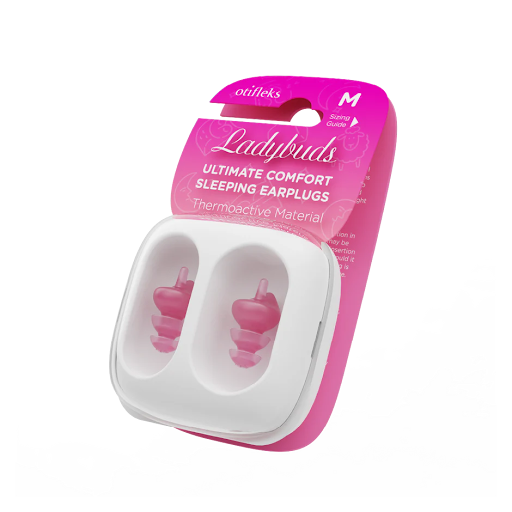
Snoring is one of the most common sleep disturbances, affecting both the person who snores and their bed partner. For light sleepers, partners of habitual snorers, or those sharing rooms while traveling, finding a way to block out snoring noise is essential for restful sleep. One of the most accessible and non-invasive solutions people turn to is ear plugs for snoring. But do ear plugs actually work for snoring? Let’s explore the science behind how ear plugs function, their effectiveness, and whether they’re a long-term solution for sleep disruption.
Understanding Snoring and Its Impact
Snoring occurs when airflow through the mouth and nose is partially blocked during sleep, causing the surrounding tissues to vibrate and produce sound. The severity of snoring can vary from a light, intermittent noise to loud, chronic rumbling that can reach 90 decibels—about the same as city traffic. For those trying to sleep nearby, this can lead to frequent awakenings, poor sleep quality, and even relationship strain.
Sleep specialists often recommend behavioral changes and medical interventions for the snorer, but for the non-snorer, finding a way to manage the noise is often the first step. That’s where ear plugs for snoring come in.
How Ear Plugs Work
Ear plugs are small devices inserted into the ear canal to reduce the intensity of sound reaching the eardrum. They come in various materials, including foam, silicone, wax, and custom-molded plastic. Each type works by forming a barrier that blocks or dampens sound waves.
The effectiveness of ear plugs is measured in terms of Noise Reduction Rating (NRR), which indicates the maximum amount of sound (in decibels) the ear plug can block. Most consumer-grade ear plugs offer NRRs between 22 and 33 decibels. While this won’t completely eliminate loud snoring, it can significantly reduce the volume, making it easier for the brain to ignore the sound and remain asleep.
The Science Behind Sound Reduction
Research supports the efficacy of ear plugs in improving sleep quality. A study published in Critical Care found that patients in noisy ICU environments who used ear plugs and eye masks had longer periods of deep sleep and better overall rest. Though the study focused on hospital noise, the principle applies to snoring as well—by reducing environmental sound, the body can enter deeper sleep stages more consistently.
Furthermore, a 2020 study in the Journal of Sleep Research examined the use of ear plugs in individuals exposed to intermittent noise at night. Participants who wore ear plugs experienced fewer awakenings and higher sleep efficiency compared to those who didn’t. These findings suggest that ear plugs can help buffer against sudden changes in noise, like the erratic sound patterns typical of snoring.
Choosing the Right Ear Plugs for Snoring
Not all ear plugs are created equal. For blocking out snoring, it’s essential to choose ear plugs with a high NRR and a snug, comfortable fit. Here’s a breakdown of common options:
- Foam Ear Plugs: These are inexpensive and widely available. They expand to fill the ear canal and are best for single-use or short-term use. They typically offer high NRRs (up to 33 dB).
- Silicone Ear Plugs: Moldable silicone plugs sit at the entrance of the ear rather than inside the canal. They’re reusable, easy to clean, and ideal for people who find foam plugs uncomfortable.
- Wax Ear Plugs: These conform to the shape of the ear and provide a tight seal, offering both comfort and effectiveness for side sleepers.
- Custom Molded Ear Plugs: Made specifically for your ears, these offer the best fit and noise reduction but are the most expensive option.
It’s important to ensure a proper seal when using ear plugs. Improper insertion can significantly reduce their effectiveness.
Final Thoughts
So, do ear plugs really work for snoring? The answer is yes—for many people, they can significantly reduce the disruptive impact of snoring and promote better sleep. While they don’t eliminate sound entirely, they lower noise levels enough to allow the brain to stay asleep more easily. For those regularly disturbed by a partner’s snoring, ear plugs for snoring offer a low-cost, low-effort solution that can improve sleep quality and overall well-being. For the best results, invest in high-quality noise reducing ear plugs and experiment with different materials and fits until you find the most comfortable option for you. Sleep is too important to be compromised by noise you can manage.
Author




Leave a Reply