
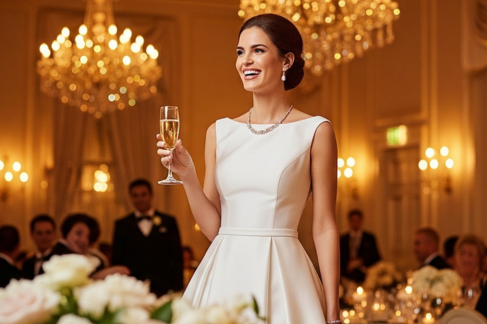
Your wedding day is filled with unforgettable moments, and each one deserves a look that feels just right. While the ceremony gown often takes center stage during the vows, the reception is all about celebrating with family and friends, dancing the night away, and creating memories that last a lifetime. That’s why many modern brides choose a second dress designed specifically for comfort, movement, and effortless elegance.
A well-chosen reception dress allows you to transition seamlessly from the formality of the ceremony to the relaxed energy of the celebration without sacrificing your personal style. Whether you envision a sleek satin gown, a playful cocktail-length dress, or a glamorous design with sparkling embellishments, the right choice should complement your ceremony look while giving you the freedom to enjoy every moment of your reception.
In this guide, we’ll explore how to choose the perfect reception dress by considering your venue, silhouette, fabrics, colors, and practical details, helping you create a smooth style transition that feels cohesive, comfortable, and undeniably bridal from the first dance to the final farewell.
Why Many Brides Change Outfits Mid-Celebration
Ceremony gowns are often built for a single, unforgettable walk down the aisle, with long trains, structured bodices, and layers of fabric designed to photograph beautifully in that specific moment. Those same features can feel heavy once the dancing starts.
This shift has become common enough that many brides plan for it from the very beginning, treating the second dress as its own deliberate decision rather than an afterthought squeezed in during the final weeks before the wedding.
Changing into a second look partway through the celebration lets the bride move freely for the rest of the night while still feeling just as put-together. It is less about needing two dresses and more about matching the outfit to what each part of the day actually calls for.
Browsing reception dresses with this transition in mind, rather than judging each gown purely on its own, tends to make it easier to picture how a specific style will actually feel once the party gets going.
Thinking Through the Transition
A reception look works best when it feels like a natural continuation of the day rather than an unrelated outfit change. Carrying over a signature detail, such as a similar color family, a matching fabric texture, or a shared design element like lace or beading, helps the two looks feel connected rather than disjointed.
Some brides prefer a deliberate contrast instead, swapping a traditional white ceremony gown for something with color or a completely different silhouette. Both approaches work; what matters is that the choice feels intentional rather than accidental.
Looking back at ceremony photos before finalizing the second dress can also help. Noticing which details felt most special in those images makes it easier to decide whether to echo them again or leave them behind entirely for the second half of the night.
Matching the Dress to the Reception Itself
The venue and format of the reception influence what actually works best. An outdoor garden reception calls for different practical considerations than a ballroom event, particularly around fabric weight and hem length.
- Formal ballroom receptions suit sleek gowns or elegant tea-length styles
- Outdoor or garden settings favor lighter, breathable fabrics
- High-energy dance floors call for shorter hems or built-in stretch
- Intimate, seated dinners allow for more structured, formal silhouettes
Weather is worth factoring in too. A heavier fabric that felt perfect during an indoor ceremony can feel uncomfortably warm on a dance floor a few hours later.
Silhouettes That Move Well
Since a reception dress needs to hold up through hours of dancing, hugging, and moving between tables, silhouette matters just as much as style. A-line and fit-and-flare cuts tend to offer freedom of movement without sacrificing an elegant shape.
Shorter or midi-length hems reduce the risk of tripping mid-dance, while a bit of stretch in the fabric allows for natural movement throughout a long evening without needing constant readjustment.
Color Choices Beyond Traditional White
White and ivory remain popular reception choices, keeping a bridal feel consistent from ceremony to celebration. That said, many brides use the second look as a chance to introduce color, whether through a soft blush, a bold jewel tone, or metallic accents that catch the light on the dance floor.
Choosing a color that complements the wedding’s overall palette, rather than clashing with the bridal party or décor, keeps the transition feeling cohesive in photos taken throughout the evening.
Practical Details Worth Planning Ahead
A smooth outfit change depends on more than the dress itself. Confirming there is a private, accessible space for changing, along with enough time built into the schedule, prevents the switch from feeling rushed.
It also helps to think about accessories in advance. Simplifying jewelry, switching to more comfortable shoes, or adjusting hair slightly can make the second look feel fresh without requiring a full restyle.
Letting a close friend or family member know the general timing of the change can also help things run smoothly, since they can quietly help manage the transition without pulling attention away from the celebration itself.
Making the Final Decision
There is no single right formula for a second bridal look. Some brides want a near match to their ceremony gown, just lighter and easier to move in, while others treat it as a chance to show a different side of their personal style entirely.
Trying on options with the reception’s specific energy in mind, rather than judging each dress in isolation, tends to make the final choice feel obvious rather than difficult.
Author



Leave a Reply