
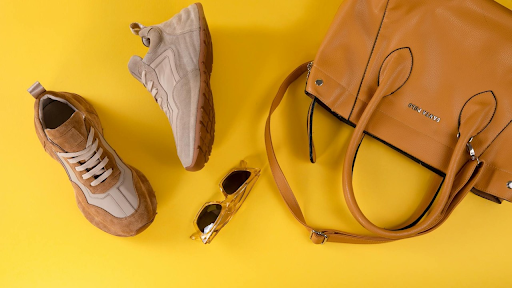
In the world of e-commerce and digital marketing, high-quality product photography is essential for showcasing products in their best light. Whether you’re a small business owner or a large retailer, the visual representation of your products can significantly impact sales and brand perception. As we enter 2025, understanding product photography pricing is crucial for making informed decisions about how to present your products online. In this blog, we’ll explore the factors that influence product photography rates and what you can expect to pay for professional product photography services in 2025.
1. The Growing Importance of Product Photography
In 2025, the demand for professional product photography continues to rise as online shopping becomes even more prevalent. Consumers are increasingly relying on high-quality images to make purchasing decisions. Studies have shown that products with professional photos are more likely to be clicked on and purchased as they convey trustworthiness and quality.
Whether you’re selling clothing, electronics, beauty products, or handmade goods, clear and compelling product photos are essential. A well-executed photo can highlight the details of a product, emphasize its features, and create an emotional connection with potential buyers. As a result, businesses are willing to invest in product photography to improve their sales and brand image.
2. Factors That Affect Product Photography Pricing
Several factors can influence product photography pricing, and understanding these variables can help you budget for your next photo shoot. Here are the key elements that affect the cost of product photography in 2025:
a. Type of Product
The complexity and nature of the product being photographed can significantly impact the pricing. For example:
- Simple Products: Items like clothing, jewelry, or small accessories are relatively easy to photograph and typically require less time and effort. As a result, these products tend to have lower photography rates.
- Complex Products: Larger or more intricate products, such as furniture, electronics, or beauty products with reflective surfaces, may require more advanced lighting setups and specialized techniques. These types of products generally cost more to photograph.
b. Number of Products
The more products you need to be photographed, the higher the cost. Photographers may offer discounted rates for bulk photography sessions, but the overall price will still depend on the number of items being captured. Some photographers charge a flat rate per product, while others may offer packages for a set number of products.
c. Style of Photography
The style of photography you choose can also affect the price. Common styles include:
- White Background Photography: Often used for e-commerce listings, this style features products on a clean, white background. It’s simple and cost-effective but may not showcase the product in a lifestyle context.
- Lifestyle Photography: This style involves shooting products in real-world settings, such as a model wearing clothing or a piece of furniture in a living room. Lifestyle photography requires more time, effort, and resources, which can increase the cost.
- Creative/Product in Use Photography: This style shows the product in action or with creative props. It’s ideal for showcasing how the product fits into a customer’s lifestyle but can require additional planning and equipment.
d. Photographer’s Experience and Reputation
The experience and reputation of the photographer play a significant role in determining product photography rates. Highly experienced photographers with a strong portfolio and a proven track record will typically charge higher rates due to their expertise and ability to produce high-quality images. On the other hand, less experienced photographers may offer lower rates, but there could be a trade-off in terms of image quality and professionalism.
e. Location and Studio Costs
The location of the photographer and whether the shoot takes place in a studio or on location can also impact the cost. For example:
- Studio Photography: Many photographers have dedicated studios with controlled lighting setups, backdrops, and props. This can be more expensive due to studio rental fees and overhead costs.
- On-Location Photography: If the photographer needs to travel to a specific location, such as a warehouse or outdoor setting, additional travel and accommodation fees may apply.
f. Post-Production and Editing
Post-production is a critical part of the product photography process. After the photoshoot, the photographer will typically spend time editing the images to enhance colors, remove imperfections, and adjust lighting. Some photographers include basic editing in their rates, while others charge separately for advanced retouching and adjustments. Be sure to clarify what is included in the pricing before booking a shoot.
3. Product Photography Pricing in 2025
Now that we’ve covered the factors that influence product photography pricing let’s take a look at what you can expect to pay in 2025.
a. Basic Product Photography
For simple products such as jewelry, small accessories, or apparel, you can expect to pay anywhere from $20 to $100 per product. This pricing typically includes basic white-background shots with minimal post-production editing. Photographers may offer package deals for bulk shoots, with prices ranging from $500 to $1,500 for 20-50 products.
b. Mid-Range Product Photography
For more complex products or lifestyle shoots, pricing can range from $100 to $500 per product. This includes products like electronics, beauty items, or home goods, as well as lifestyle shots that require additional setup and creative direction. Package deals for these types of shoots may range from $1,500 to $5,000, depending on the number of products and the complexity of the shoot.
c. High-End Product Photography
High-end product photography, which includes high-end fashion, luxury items, or detailed product shots for catalogs and advertisements, can cost anywhere from $500 to $2,000 per product. These shoots often involve multiple setups, models, props, and advanced post-production work. For large-scale projects, such as an entire product catalog or brand campaign, prices can range from $5,000 to $20,000 or more, depending on the scope and scale of the project.
d. Add-Ons and Additional Costs
In addition to the base photography rates, there may be additional costs for things like:
- Model Fees: If you’re using models for lifestyle or product-in-use shots, you may need to pay for their time, which can range from $100 to $500 per hour.
- Location Fees: If the shoot takes place at a special location or requires permits, you may need to cover additional location fees.
- Props and Styling: If your shoot requires specific props or styling, such as furniture, backdrops, or product staging, these costs will be added to the overall price.
4. How to Get the Best Value for Your Budget
To get the best value for your product photography pricing, consider the following tips:
- Set a Clear Budget: Determine how much you’re willing to spend before reaching out to photographers. This will help you narrow down your options and avoid overspending.
- Request Quotes and Compare Rates: Reach out to multiple photographers to get quotes and compare their pricing and services. Be sure to ask for a breakdown of costs to understand what’s included in the price.
- Consider the Long-Term Value: While it’s tempting to go for the cheapest option, investing in high-quality product photography can pay off in the long run by boosting sales and improving your brand image. Consider the potential return on investment when making your decision.
Conclusion
In 2025, product photography pricing varies depending on the type of product, style of photography, and the photographer’s experience. By understanding the factors that influence product photography rates, you can make an informed decision about your photography needs and budget. Whether you’re a small business or a large retailer, investing in professional product photography is a smart move that can enhance your online presence and drive sales.
Author


Leave a Reply