
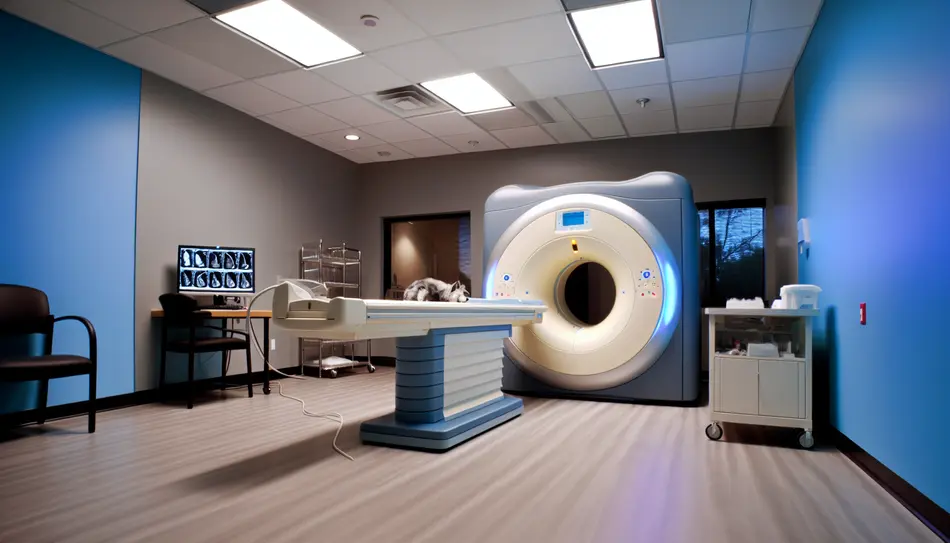
Launching a veterinary imaging center in Maryland within a week may seem like a daunting task, but with careful planning and execution, it is possible. This guide will outline the essential steps and considerations to help you establish a successful advanced veterinary imaging facility in a short timeframe.
Understanding the Basics of Veterinary Imaging
Before diving into the setup process, it’s crucial to have a solid understanding of what veterinary imaging entails. Advanced veterinary imaging involves using sophisticated technology to diagnose and monitor health conditions in animals. This includes techniques such as X-rays, MRI, CT scans, and ultrasound. Each of these technologies plays a vital role in providing comprehensive care for animals.
Planning Your Imaging Center
The first step in launching an advanced animal imaging center is thorough planning. Consider the following aspects:
- Location: Choose a location that is accessible to your target clientele. Proximity to veterinary clinics and hospitals can be advantageous.
- Facility Design: Design your facility to accommodate the necessary equipment and ensure a comfortable environment for both animals and staff.
- Licensing and Regulations: Ensure compliance with local regulations and obtain the necessary licenses to operate legally.
Selecting the Right Equipment
Investing in the right equipment is critical for the success of your veterinary imaging center. Consider the following when selecting equipment:
- Quality and Reliability: Choose equipment that is known for its reliability and accuracy. This will ensure high-quality imaging results.
- Versatility: Opt for equipment that can perform multiple types of imaging to meet diverse diagnostic needs.
- Supplier Support: Work with reputable suppliers who offer excellent after-sales support and maintenance services.
Staffing and Training
Qualified staff are essential for the operation of an advanced veterinary imaging center. Here are some key considerations:
- Hiring: Recruit experienced veterinarians and technicians who specialize in veterinary imaging.
- Training: Provide ongoing training to keep your staff updated on the latest imaging techniques and technology.
- Team Dynamics: Foster a collaborative work environment to ensure efficient operations and high-quality patient care.
Establishing Operational Protocols
Developing clear operational protocols is vital for the smooth running of your imaging center. Consider the following:
- Patient Management: Implement a system for scheduling appointments, managing patient records, and ensuring timely imaging procedures.
- Safety Protocols: Establish safety protocols to protect both staff and patients during imaging procedures.
- Quality Control: Regularly monitor and evaluate imaging results to maintain high standards of care.
Marketing Your Imaging Center
Once your center is set up, it’s important to attract clients. Here are some marketing strategies to consider:
- Online Presence: Create a website and utilize social media to reach potential clients.
- Networking: Build relationships with local veterinarians and clinics to generate referrals.
- Educational Workshops: Host workshops to educate veterinarians and pet owners about the benefits of advanced veterinary imaging.
Ensuring Financial Viability
To ensure the financial success of your imaging center, consider the following:
- Budget Planning: Develop a detailed budget that covers all startup and operational costs.
- Pricing Strategy: Set competitive pricing that reflects the quality of your services while ensuring profitability.
- Cost Management: Monitor expenses closely and look for ways to reduce costs without compromising quality.
Overcoming Challenges
Launching an advanced veterinary imaging center can present several challenges. Here are some common issues and how to address them:
- Technical Issues: Regular maintenance and having a technical support team on standby can minimize downtime.
- Staff Turnover: Retain staff by offering competitive salaries and opportunities for professional development.
- Client Acquisition: Continually evaluate and adjust marketing strategies to attract new clients.
Monitoring and Evaluation
After launching your imaging center, ongoing monitoring and evaluation are crucial for long-term success. Consider the following:
- Performance Metrics: Track key performance indicators such as patient volume, imaging accuracy, and client satisfaction.
- Feedback Mechanisms: Collect feedback from clients and staff to identify areas for improvement.
- Continuous Improvement: Use data and feedback to make informed decisions and implement improvements.
Conclusion
Launching an advanced veterinary imaging center in Maryland within a week requires careful planning, strategic decision-making, and a commitment to quality care. By understanding the basics of veterinary imaging, selecting the right equipment, and implementing effective operational protocols, you can establish a successful facility that meets the needs of both pets and their owners. With the right approach, your imaging center can become a valuable resource in the veterinary community, providing essential diagnostic services for animal health.
Author




Leave a Reply